Clarity for Small Teams: Metrics and Dashboards that Drive Outcomes

Today we dive into Performance Metrics and Operations Dashboards for Micro Teams, translating complex data into everyday decisions. With real-world stories, practical frameworks, and humane practices, you’ll learn how to choose essential signals, design calm visuals, and run lightweight rituals that turn insights into momentum. Expect actionable checklists, gentle prompts to experiment, and ways to invite your teammates into the conversation. Reply, share your own practices, and subscribe to keep the improvement loop alive together.

Choosing Metrics That Matter for Tiny Crews

Designing Dashboards That Spark Action

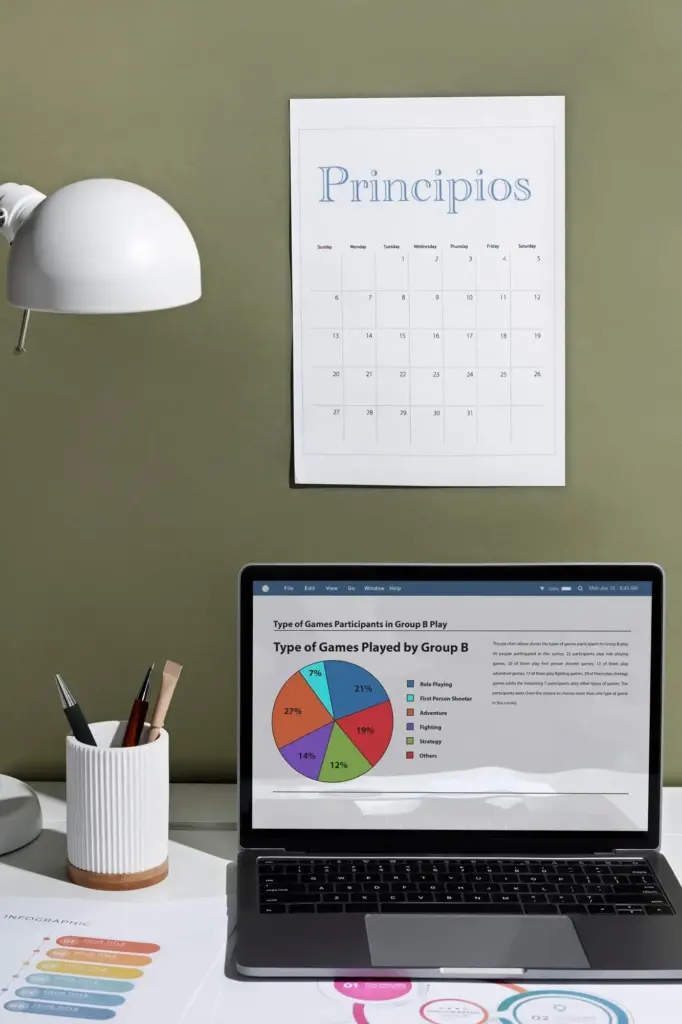
An effective dashboard tells a short story before you can blink. Use a single screen for the team’s day-to-day, with neutral colors, clear baselines, and humane thresholds. Put context a click away, not crammed in tiny fonts. Prefer trendlines over snapshots, annotations over guesses, and calm defaults over blinking alarms. Invite teammates to request improvements, and ship small updates weekly.

Above-the-Fold Storytelling

Place the one question that matters today at the very top, supported by a single flow chart and the next scheduled review time. Add a short annotation that explains what changed and why. Keep everything scannable on a laptop without scrolling. You are crafting a promise: this screen will reduce meetings, not create more. Ask readers to comment about clarity and speed.

Thresholds, Benchmarks, and Context

Provide gentle color bands that indicate healthy, watch, and act zones, but avoid shaming red. Show internal baselines and a meaningful external benchmark when possible. Link to the underlying query for auditability. Include concise definitions beside labels so new teammates understand nuances instantly. Encourage suggestions for fairer thresholds, and document decisions transparently so the whole team trusts adjustments over time.

Accessibility and Calm Visuals

Choose color-blind friendly palettes and generous white space. Use consistent units, readable typography, and tooltips that expand without hijacking attention. Eliminate chart junk. Provide light and dark modes that preserve contrast. Animations should be optional and subtle. Remember, a micro team needs energy for delivery, not deciphering graphs. Invite feedback on visual comfort after a full workday of use.

Collecting Clean Data Without Extra Work

Instrumentation must vanish into everyday tools. Pull signals from version control, code review, CI/CD, incident trackers, and customer support systems automatically. Avoid manual status updates, which erode trust and energy. Define a shared data dictionary to align names, units, and time windows. Schedule lightweight audits, log data lineage, and make fixes fast. Your goal is effortless accuracy, not more process.

Automate the Exhaust

Every commit, build, deploy, incident, and conversation leaves metadata. Capture it once at the source, tag it with a stable identifier, and let pipelines aggregate. Resist custom spreadsheets and manual forms. When the team adds a new tool, integrate signals within the first week. This rhythm keeps dashboards alive, reduces human toil, and preserves the authenticity of the story.

Define Events Once

Ambiguity creates model churn. Collaboratively define what counts as a deployment, an incident, a rollback, or a customer contact. Store definitions beside code and queries, then reference them across charts. When reality changes, version the definitions and add a note to visible timelines. This shared language prevents hidden rework and makes cross-functional collaboration kinder, faster, and much more resilient.

Daily 10-Minute Flow Check

Meet briefly around the dashboard and ask three questions: What is blocked, what is aging, and what will finish today? Avoid status theater. If deeper discussion is needed, schedule a follow-up with the right people only. Capture one improvement experiment and its owner. Tomorrow, check whether the experiment changed the picture. Consistency matters more than length or persuasive speeches.

Weekly Improvement Sprint

Reserve an hour to review trends, close experiments, and choose the next bet. Use before-and-after comparisons with annotated screenshots. Invite rotating facilitators so ownership spreads. Keep the backlog of operational bets tiny and visible. End with a concise note to stakeholders sharing lessons, next steps, and requests for help. Ask readers to subscribe for templates and facilitation guides.

Monthly Strategy Refresh

Once a month, revisit objectives, risks, and capacity. Compare the health of flow metrics with product impact signals. Decide what to stop, start, and sustain. Update thresholds and definitions if assumptions changed. Publish a transparent narrative to reinforce trust. Invite comments and dissent, especially from quiet voices. Strategic honesty keeps small teams resilient without grand offsites or fancy slide decks.

A Five-Person Team’s Journey to Reliability

At a scrappy startup, five engineers struggled with long review queues and painful incidents. They created a one-screen dashboard focused on cycle time, review wait time, deployment frequency, and MTTR. Within six weeks, tiny experiments—like daytime deploy windows and a buddy system—cut restore time in half. Customer sentiment improved. The team now invites peers to reuse their approach and subscribe for the templates.

Ethics, Safety, and the Human Side of Metrics

Metrics should protect people, not expose them. Avoid rankings of individuals, focus on systems, and consider psychological safety a first-class constraint. Pseudonymize sensitive data, retain only what you need, and share access thoughtfully. Celebrate rest, sustainable pace, and informed experimentation. Make it easy to question a chart. Healthy teams outlearn competitors, and humane practices compound far beyond quarterly results.
Zozezenifuxaxapimovoto
Privacy Overview

This website uses cookies so that we can provide you with the best user experience possible. Cookie information is stored in your browser and performs functions such as recognising you when you return to our website and helping our team to understand which sections of the website you find most interesting and useful.